



Filmop has chosen to minimise the impacts of its business activities by joining major international carbon offset projects. The selected projects aim at the protection and conservation of endangered forests, and the installation of renewable energy plants in developing countries, and the improvement of the living and health conditions of the most disadvantaged populations, thus contributing to sustainable development and combating global warming.
2026 – KENYA
Il progetto The Kasigau Corridor REDD Project - Phase II, opera per la salvaguardia di un corridoio ecologico vitale nelle zone del Kenya colpite dal degrado forestale, promuovendo programmi sistematici di riforestazione e rimboschimento. L'impegno si estende oltre la conservazione ambientale, attraverso programmi di educazione ambientale nelle scuole e il sostegno diretto alle micro imprese locali, favorendo l'autonomia economica e la resilienza delle comunità locali. Attraverso l'adesione a Kasigau REDD+, Filmop conferma la propria visione di un’ecologia integrata, dove la tutela del pianeta e il progresso sociale procedono di pari passo.
Il progetto di tutela ambientale ha permesso la compensazione di 450 tonnellate di CO2e.


2026 - COSTA D’AVORIO
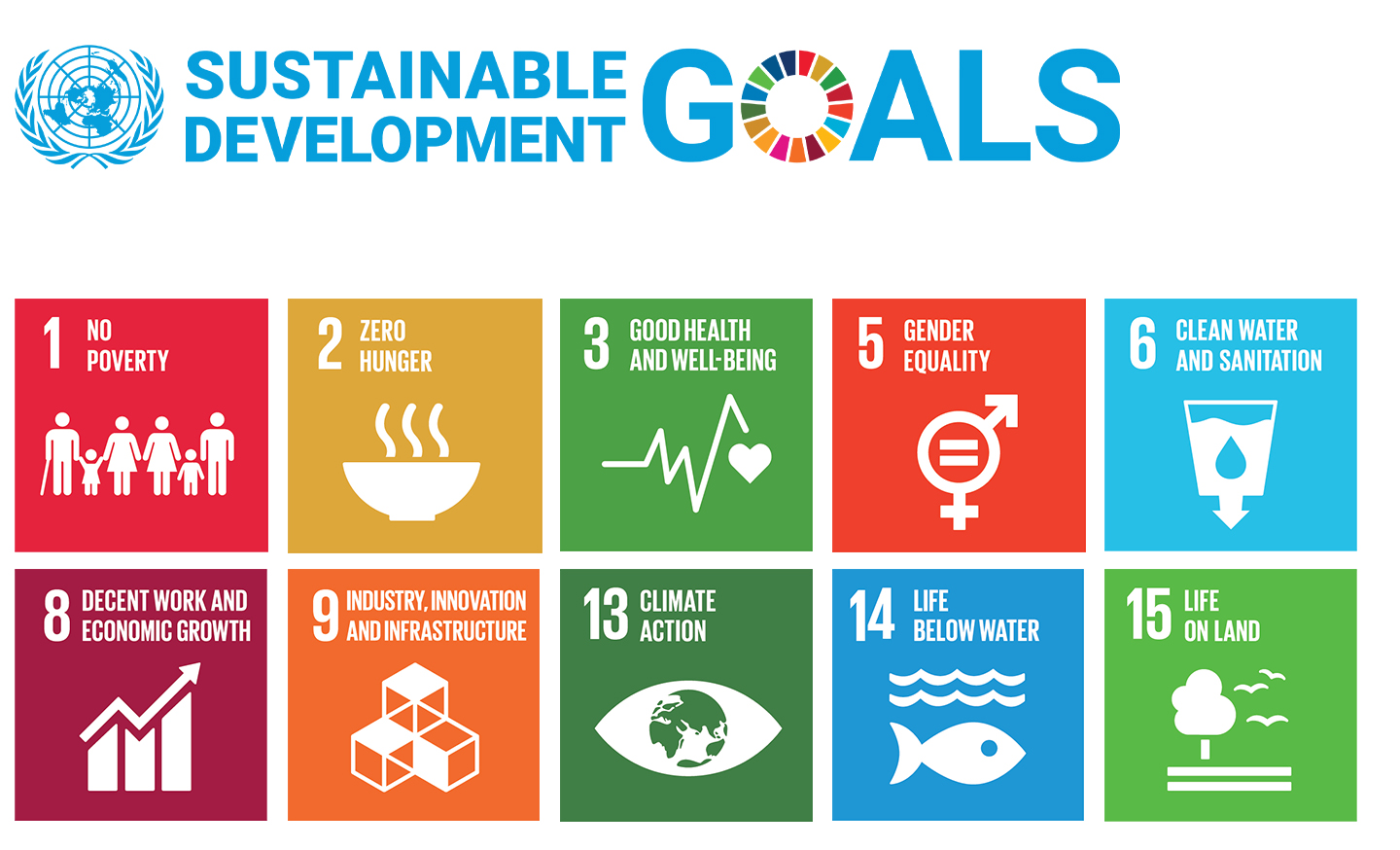
L’impegno di Filmop verso la tutela ambientale si traduce in azioni concrete ad alto impatto sistemico. In quest’ottica, l’azienda sostiene con determinazione il progetto Soubré Hydropower, un’importante infrastruttura idroelettrica situata in Costa d’Avorio. Oltre ai benefici ambientali, il progetto funge da volano per l’economia locale, generando ricadute positive come l’incremento dell'occupazione locale, il potenziamento delle infrastrutture e la transizione verso un’economia green. Con questo contributo, Filmop ribadisce il proprio impegno quotidiano non solo nell’attenzione alla propria produzione, ma come partner attivo nel raggiungimento dei Sustainable Development Goals.
Il progetto di tutela ambientale ha permesso la compensazione di 450 tonnellate di CO2e.

2025 - CORDILLERA AZUL, PERÙ
Filmop has renewed its support for the project to protect and conserve the Cordillera Azul, a magnificent area of over 1,300,000 hectares threatened by deforestation. Safeguarding the forests that stretch across the plains and mountains of central Peru and the rare species that inhabit these lands involves the involvement of local communities in the responsible management of an area to be preserved and handed over intact to future generations.
The environmental protection project allowed the offsetting of 400 tonnes of CO2e.


2025 - NIGERIA
Filmop has chosen to support a project in Nigeria aimed at providing millions of families with fuel-efficient cookstoves, thus decommissioning the current rudimentary cooking equipment that forces them to breathe toxic smoke on a daily basis. The stoves distributed at a subsidised price protect the health of women and children by reducing indoor air pollution by 85%. They also save families money as they reduce fuel consumption by more than 60%.
The project for access to efficient stoves allowed the offsetting of 400 tonnes of CO2e.

2023 - CORDILLERA AZUL, PERÙ
Filmop helped to protect the Cordillera Azul National Park in Peru, which underwent a series of activities aimed at the forest conservation of approximately 1,300,000 hectares, the preservation of 39 protected species and the support offered to 28 sustainable enterprises and the creation of alternative sources of income and new job opportunities for families in the 115 local communities, including 9 indigenous communities.
The environmental protection project allowed the offsetting of 400 tonnes of CO2e.

2023 - ANDHRA PRADESH, INDIA
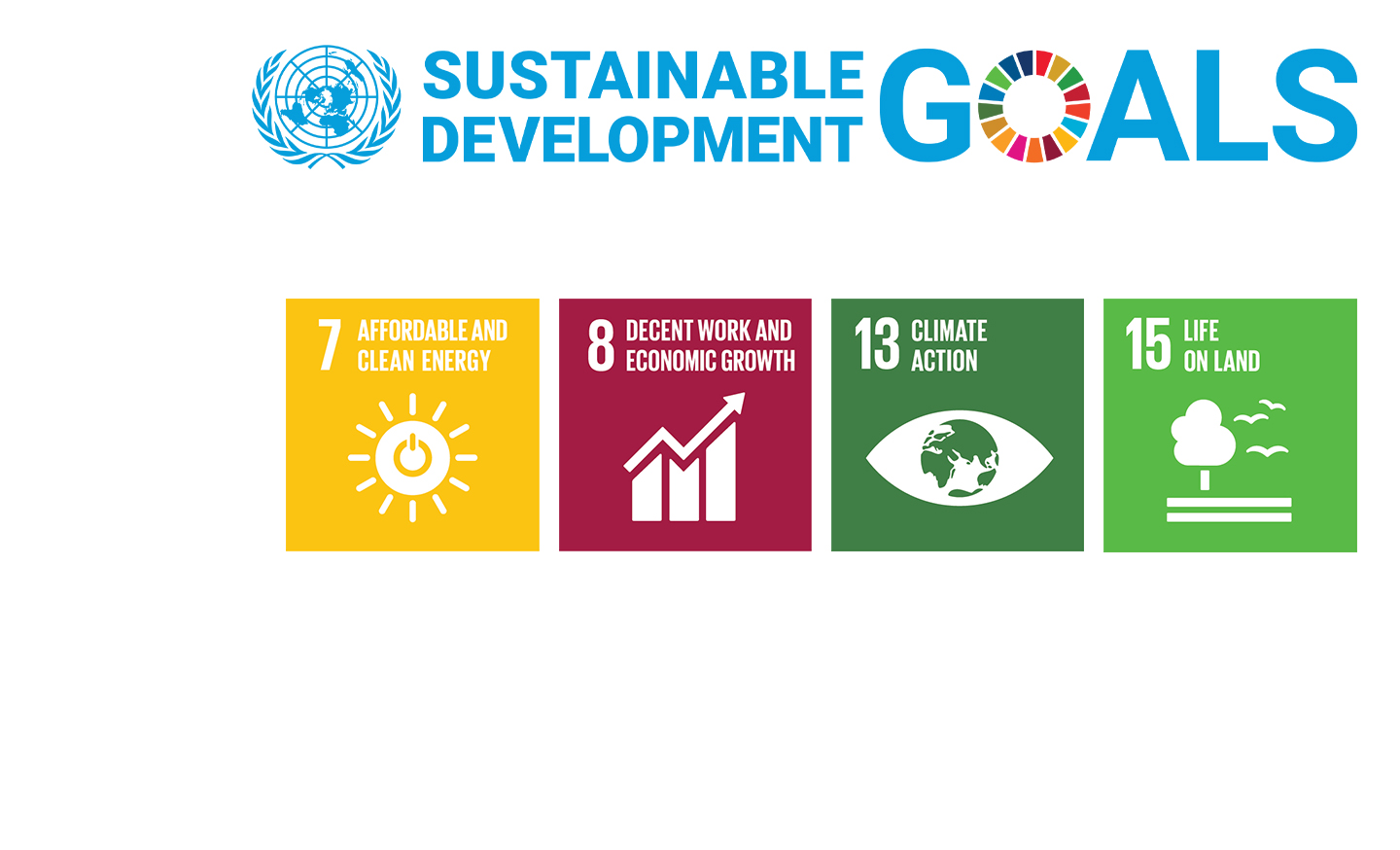
Filmop's commitment to sustainable development has also reached Andhra Pradesh, an Indian state where renewable energy plants have been installed to generate clean energy and promote access to it for the local population. The project in this area aims to reduce dependence on fossil fuels and the release of greenhouse gases and other pollutants, while favouring the creation of job opportunities and the development of infrastructure in the region.
The Clean Energy Access Project allowed the offsetting of 400 tonnes of CO2e.