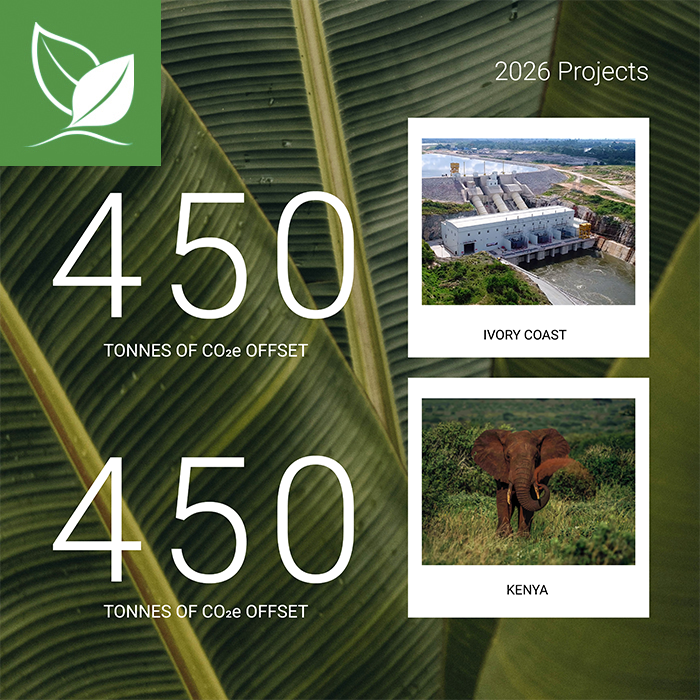
Filmop's green commitment continues: new CO2 offsetting projects for 2026
For Filmop, sustainability is not a goal that has already been achieved, but a commitment that evolves and grows stronger year after year.

For Filmop, sustainability is not a goal that has already been achieved, but a commitment that evolves and grows stronger year after year.
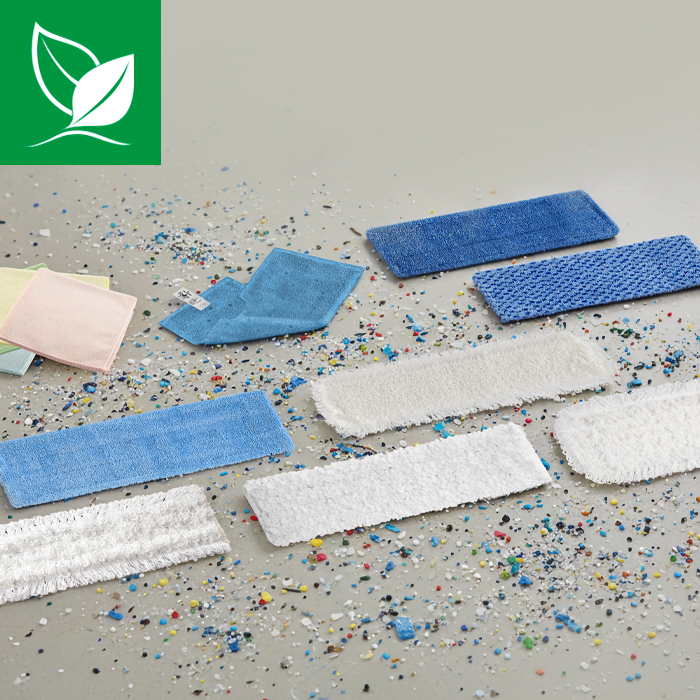
The amount of microplastics varies from textile to textile, preferring high quality yarns helps to minimise dispersion during washing and thus reduce environmental pollution.

Filmop has been supporting international carbon offset programmes since 2023, supporting projects that meet multiple goals of the UN 2030 Agenda for Sustainable Development.
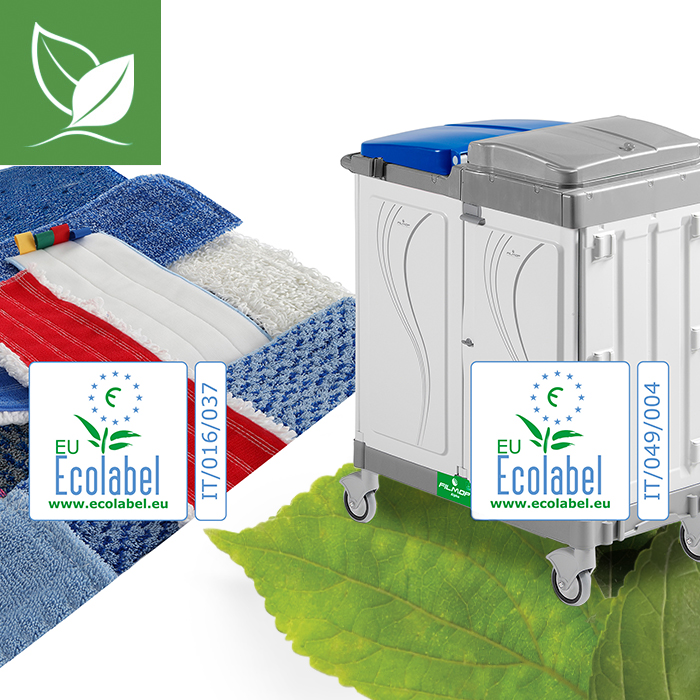
How sustainable is a product? EU Ecolabel is the answer to this question, a certification recognised by the European Community and awarded to products that while providing high performance also have a low impact on the ecosystem.
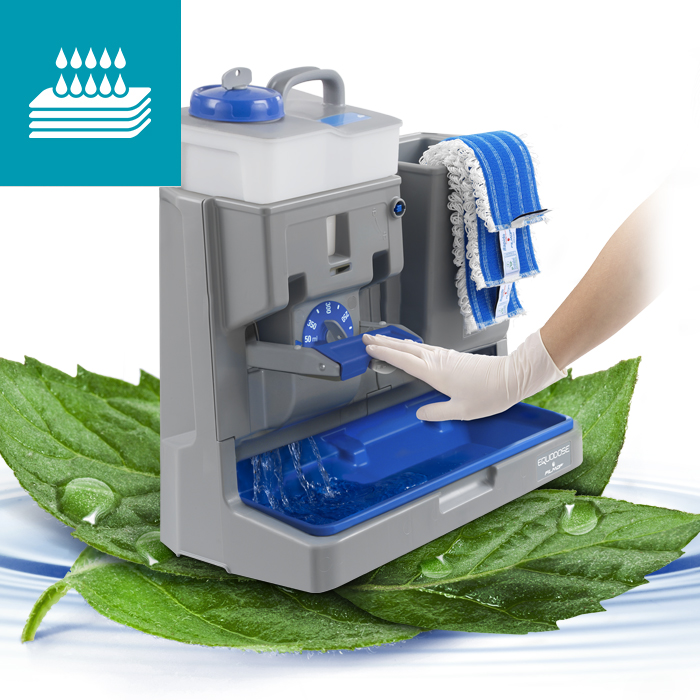
With Equodose, mops can be soaked on demand and directly on the trolley, adjusting the amount of cleaning solution from 50 to 350 ml depending on the surface to be cleaned.
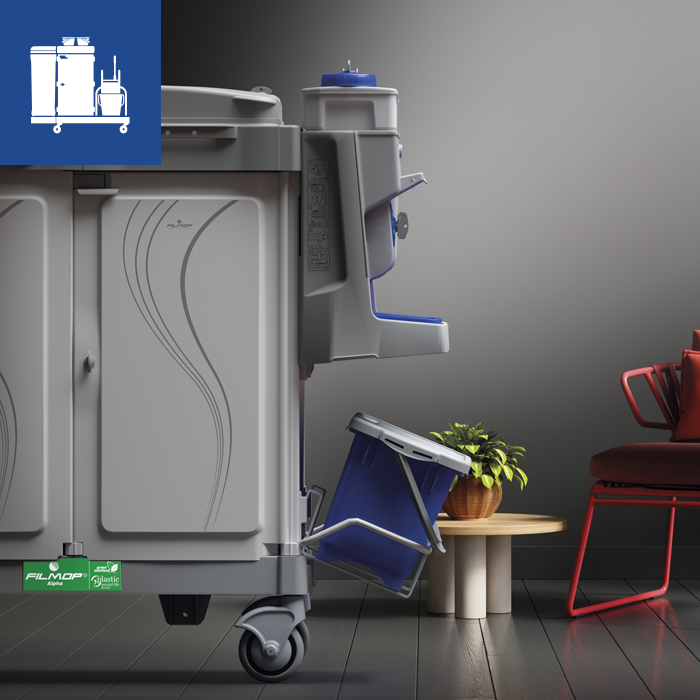
Alpha is a range of multi-purpose trolleys designed to meet every cleaning need thanks to the modularity of the components that can be combined with countless accessories.

Tracking the climate footprint of products by turning it into objective data allows us to implement specific actions to offset emissions, thereby reducing the impact on the environment.
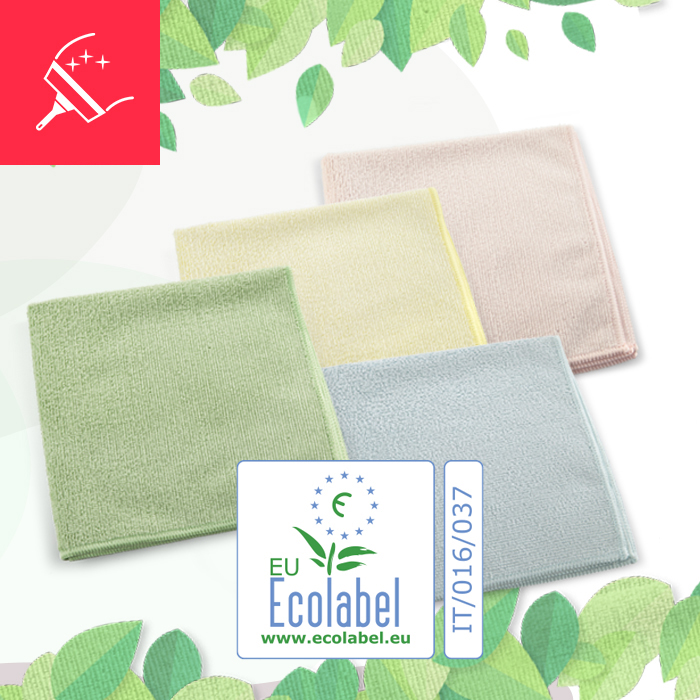
The Eco Multi-T ultra-microfibre multi-purpose cloth stands out for its efficiency and environmental sustainability.
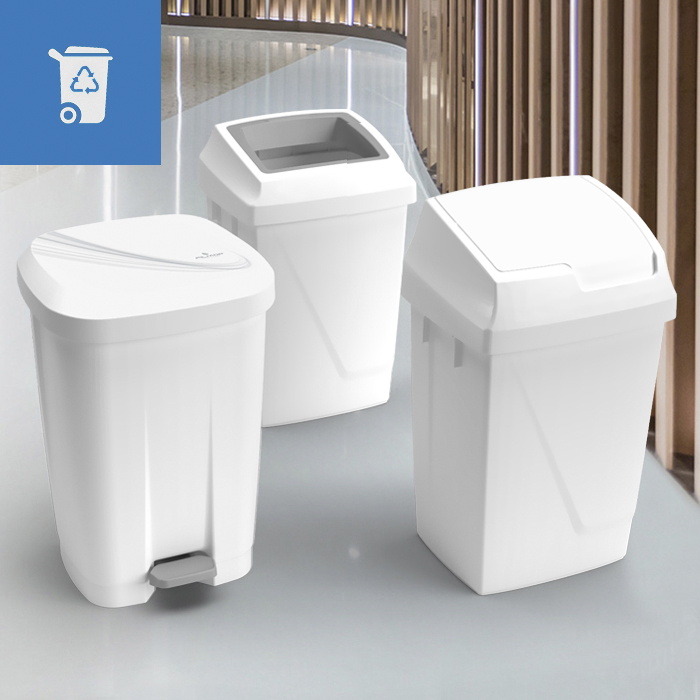
Filmop has created Atlax, a special line of 50 lt bins characterized by a modern, stylish and functional design, specifically conceived to be harmoniously integrated in any environment.

At a time when environmental protection is an imperative, turning waste into resources becomes a priority.
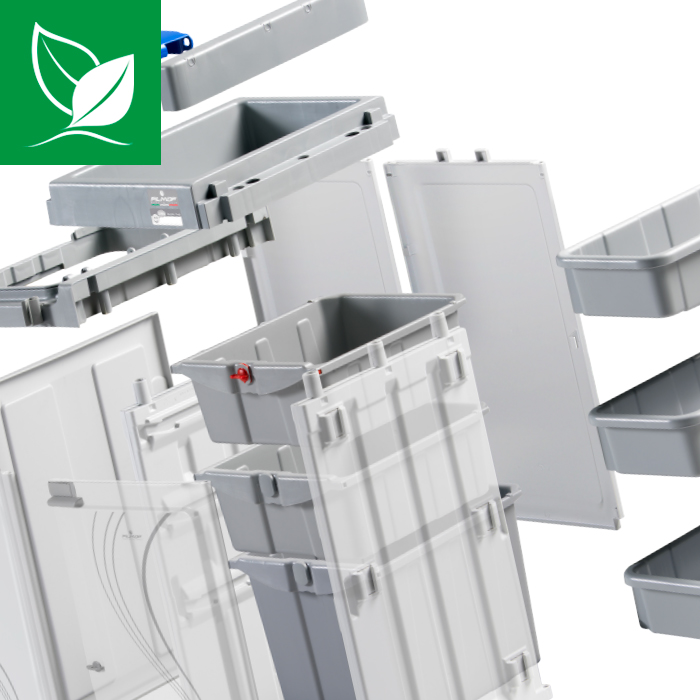
Every year in Europe more than 2.5 billion tons of waste are produced, only 38% of which is recycled. A definitely unsustainable scenario that requires the adoption of a circular economy aimed at reducing the environmental impact.
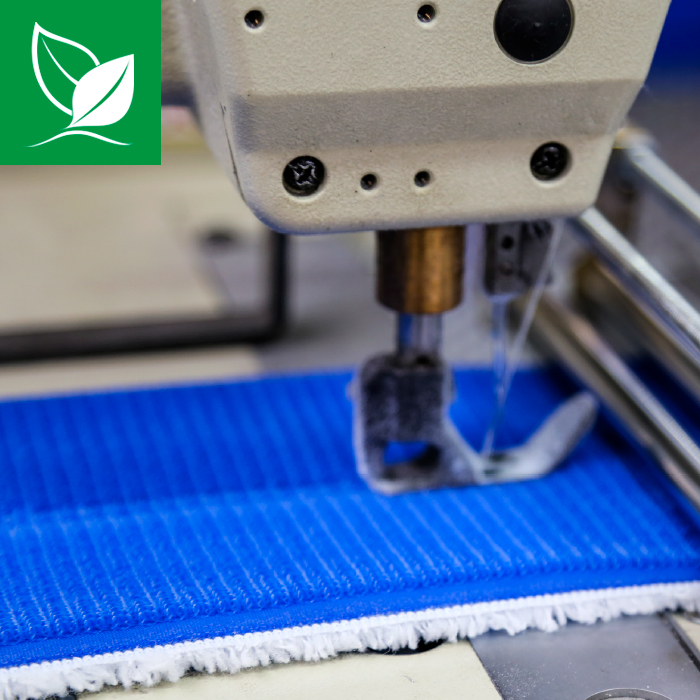
Filmop microfibers attract and trap dust, catch even the smallest particle of dirt and effectively remove germs and bacteria, ensuring truly unrivaled cleanliness.